11/11/2026 Case study
Drones and green energy, new approaches to traditional practices
#Ethical Supply Chain#Sustainable Agriculture
11/11/2026 Case study
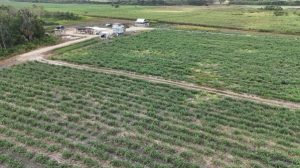 For smallholder sugarcane farmers, installing new technology can be a significant investment. The Progressive Sugarcane Producers Alliance (PSCPA) in Belize is using its Fairtrade Premium to help farmers revisit some traditional practices and test some new approaches.
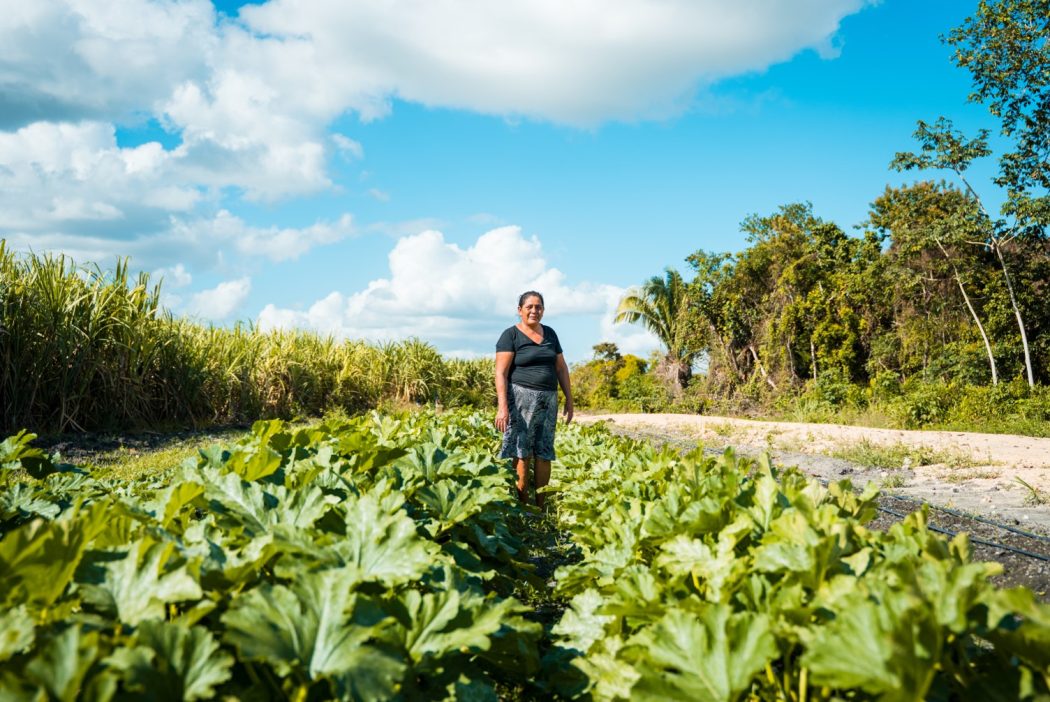
PSCPA has created a five-acre demonstration homestead where it can test new technologies alongside some more traditional farming methods, gather evidence on how they perform and share what it learns with its members.
The plot brings together solar-powered irrigation, different sugarcane varieties, livestock, biofertilisers and other approaches designed to create a more productive and resilient farming system.
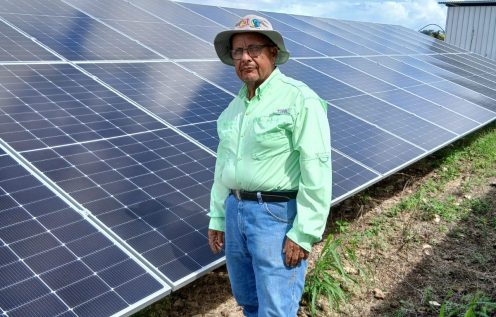
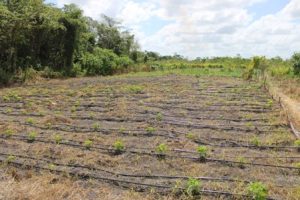 One of the main new technologies being demonstrated is solar-powered drip irrigation.
Increasingly unpredictable rainfall and prolonged dry periods are affecting sugarcane yields. The irrigation system uses solar power to deliver water directly to the plants through irrigation lines, helping to use water efficiently while reducing reliance on rainfall.
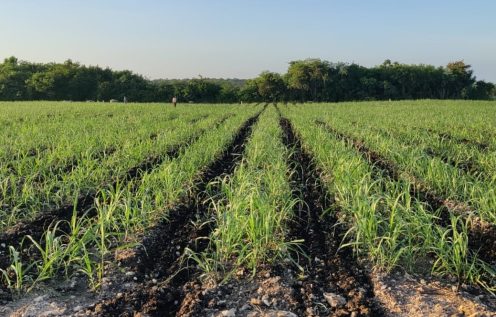
PSCPA has planted two varieties of sugarcane suited to irrigation, alongside a control area that relies on rainwater. By comparing the results, the organisation can gather evidence of the difference irrigation can make and share it with farmers considering investing.
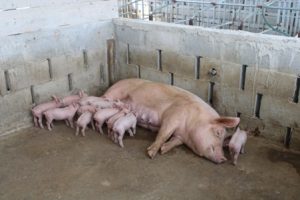 The homestead includes small-scale pig and chicken rearing, demonstrating how revisiting more traditional practices can complement sugarcane production to provide farmers with an additional source of income.
The irrigation system provides a reliable source of drinking water for the animals, including water to help keep the pigs cool in hot weather. PSCPA is offering competitively priced piglets to members interested in introducing livestock to their own farms.
Alongside livestock, three greenhouses are used to grow produce, while the small fishing pond gives member farmers and their families a recreational way to engage with the site.
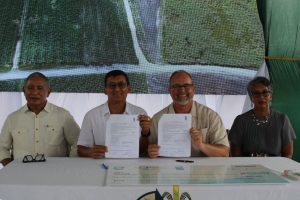 PSCPA is also investing in ways to reduce farmers’ reliance on costly imported fertilisers. Following a grant from the Global Environment Facility (GEF) Small Grants Programme, it is establishing a biofactory to produce biofertilisers on the site, which use microorganisms to support soil health and plant nutrition.
These will be made available to PSCPA members at cost. The homestead is even making the most of resources already available on the farm by reusing livestock waste in its fertilisers.
To apply fertilisers across sugarcane fields, PSCPA has introduced drones with Fairtrade Premium funding. The technology allows products to be applied more precisely and can reach smaller fields that are difficult for larger machinery to access, as well as reducing some of the pressure caused by labour shortages.
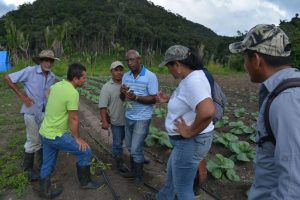 Perhaps most importantly, the homestead gives farmers a place to learn from these approaches first-hand.
The site acts as an ‘outdoor classroom’, hosting field days, technical training, producer meetings, school visits and knowledge-sharing activities for farmers, technical specialists and the wider community.
For technologies such as solar-powered irrigation, which can require significant upfront investment, seeing the results in real farming conditions can help farmers make more informed decisions about what might work for them.
As smallholder farmers respond to changing weather, economic uncertainty and other pressures on their livelihoods, the demonstration homestead offers a space to test ideas and share knowledge collectively.
By bringing different approaches together in one place, PSCPA hopes to show what is possible and help its members find practical ways to make their farms and livelihoods more resilient for the future.