22/07/2026 Case study
A smarter way to water sugarcane
#Ethical Supply Chain#Sustainable Agriculture
22/07/2026 Case study
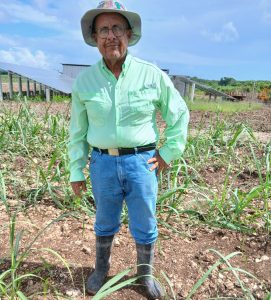
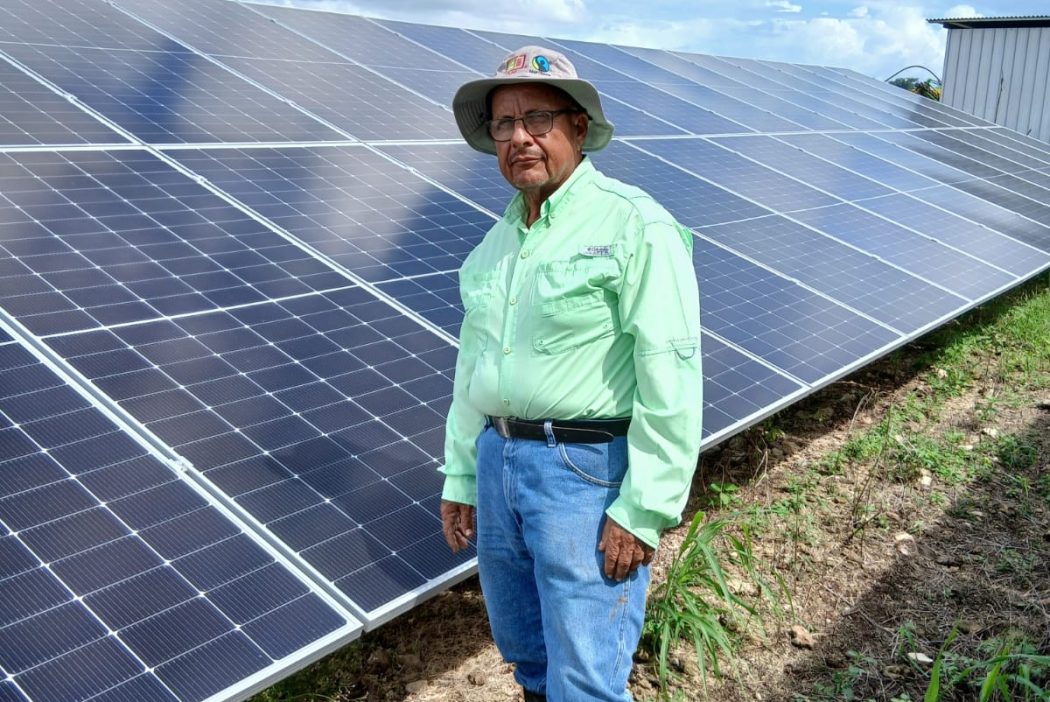
Meet David Akierman. He is one of the sugarcane farmers testing solar-powered drip irrigation, a system that uses energy from sunlight to pump water and deliver it directly to the roots of sugarcane plants. The aim is to use water efficiently to improve yields in dry periods, without increasing greenhouse gas emissions.
Like many farmers in Belize, David previously relied on rainfall to water his crop. In Belize, rainfall is often seasonal, with periods of heavy rain followed by extended dry spells. For crops such as sugarcane, consistent watering is important because plants grow best when they receive a steady supply of moisture rather than alternating between very wet and very dry conditions.
Fairtrade introduced a trial of solar-powered drip irrigation for Fairtrade-certified small-scale sugarcane producers under their Sugar Climate Action Programme. David joined the pilot project because he was keen to learn about how this new technology could help him grow more cane in each field.
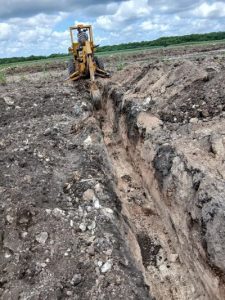
Choosing the right site was critical. David’s fields were especially challenging, and around 100 truckloads of rock had to be removed from the ground before installation could begin. Soil testing also showed that water drains away quickly in this area, so the system should use short, frequent watering.
Drip irrigation releases water slowly and precisely at the base of each plant. This helps reduce water lost to evaporation and runoff, keeps leaves drier (which can lower the risk of plant disease), and can reduce weeds because only the crop row is watered.
Four sugarcane farmer associations worked together on planning and shared learning through field visits and technical demonstrations. These included: the Corozal Sugar Cane Producers Association that David is a member of, the Progressive Sugar Cane Producers Association, the Northern Sugar Cane Growers Association, and the Belize Sugar Cane Farmers Association.
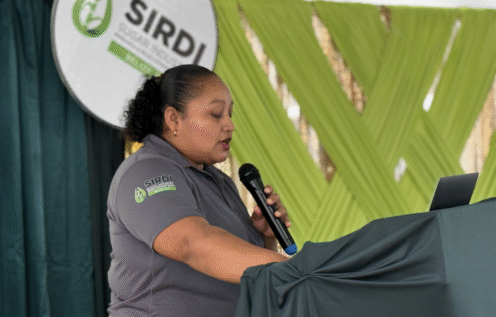
Irrigation specialists from irrigation technology company Netafim provided hydraulic support and training, alongside knowledge-sharing visits and technical demonstrations with partners in Mexico. The test phase was carried out with the Sugar Industry Research and Development Institute (SIRDI).
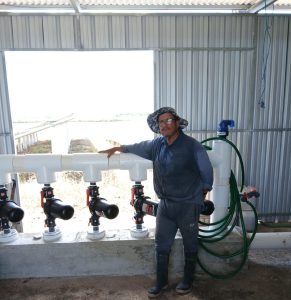 To protect the equipment, David built a small pump house on his land. To reduce costs, the team adapted an existing farm machine to bury the irrigation pipes, which avoided 80% of the cost of a new one.
Because drip irrigation systems emit water through narrow openings, they can clog if the water contains silt or organic material. David’s filtration system filters out silt, dirt, sand and organic matter to prevent clogs, and thereby ensures even watering and less maintenance.
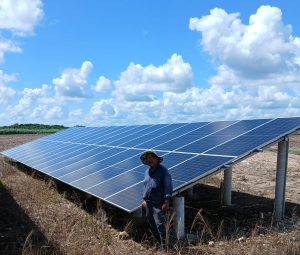
Solar panels were set up in a nearby field, converting energy from sunlight to power to irrigation system.
David also planted a sugarcane variety known to perform well with consistent watering, helping to get the most from the new system. Practical training helped technical staff measure soil moisture, operate and maintain the system, and record results so the pilot can be evaluated properly.
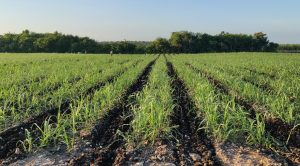
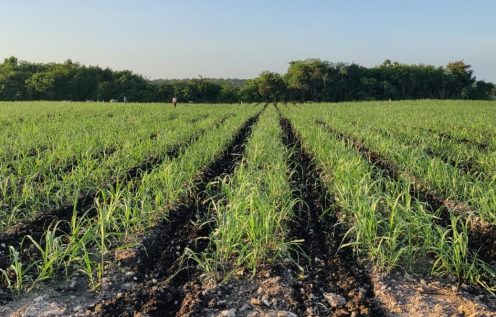
Early field checks show high plant populations and better seedling emergence in the irrigated plots. If these results continue, the approach could help boost recent yield declines and strengthen livelihoods for small-scale producers like David.
In the long term, the project is building capacity by improving data management, tailoring crop strategies and building knowledge sharing relationships between farmer organisations and with technical partners.
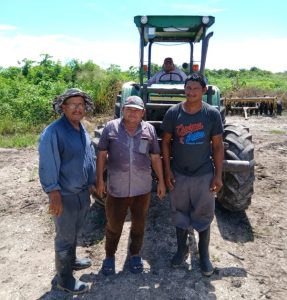
The pilot has faced challenges, including an extended rainy season and an outbreak of Fusarium (a fungus that can spread in wet conditions). Rising costs for pumps and solar panels have also created budget pressure. As crops mature, ongoing training and pest management will be important, but the pilot project offers a model that could be adapted by other farming communities guarding against the effects of the climate crisis.
For David Akierman, and small-scale sugarcane producers like him, climate shocks, unpredictable weather, and economic uncertainty make it harder to plan and invest. Practical solutions like solar-powered drip irrigation can help farms use resources more efficiently, protect harvests, and support family livelihoods.