03/07/2026 News
Ian St John Reflects on Sustainability at Tate & Lyle Sugars
#Decarbonisation#People & Purpose
03/07/2026 News
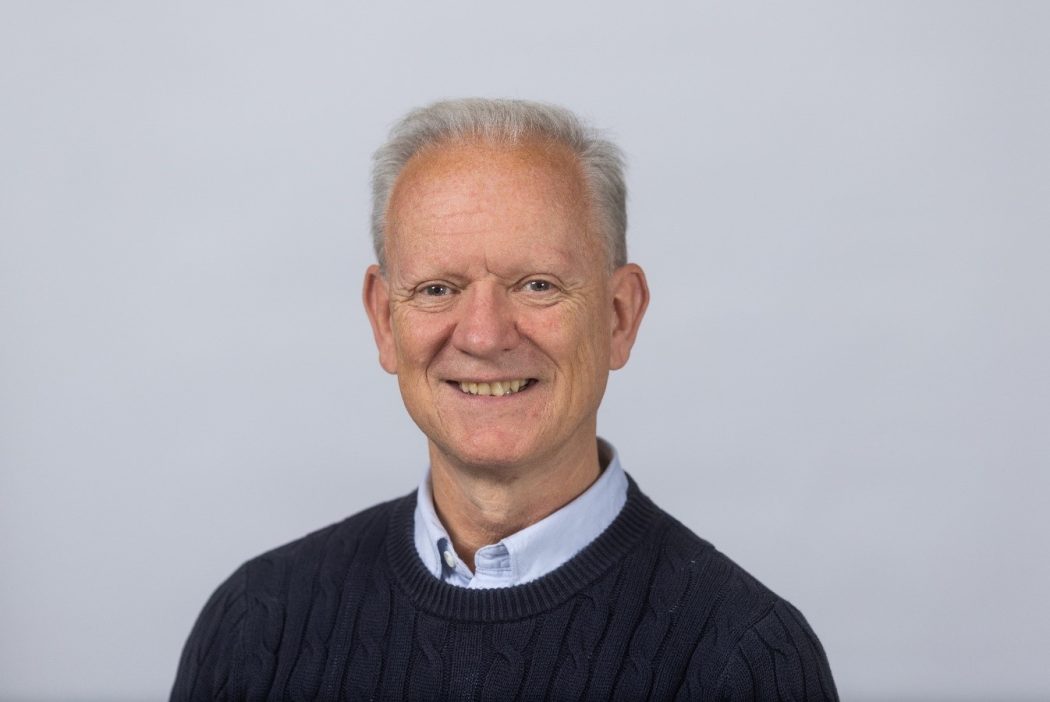
After 37 years with Tate & Lyle Sugars, Ian St John, Sr. Vice President of Projects & Business Optimisation, is retiring, leaving a lasting impact on our operations, people and sustainability work.
From his first role at the former Millwall factory to Plant Manager at our Thames Refinery, and later Sr. Vice President of Projects & Business Optimisation for our European operations, Ian played a key role in strengthening our business and advancing our sustainability efforts.
Ian has been instrumental in shaping our approach to decarbonisation across European operations. In 2023, Ian worked on the Front-End Engineering Design (FEED) study at the Thames Refinery, exploring heat recovery and energy-efficient solutions to reduce natural gas use and emissions. Building on earlier work, the project focused on practical, near-term ways to improve efficiency and cut energy use.
He has also overseen projects ranging from the installation of energy-efficient LED lighting to new charging infrastructure for electric lorries, with each initiative helping move the business closer to its decarbonisation goals.
Ian’s connection to Tate & Lyle Sugars runs deep. Following in the footsteps of his family, whose combined service spans more than 200 years, he joined a legacy that includes his father’s 44 years as well as his grandfather, mother, two uncles, brother and cousins. It’s a heritage that has earned him the affectionate nickname “Mr. Tate & Lyle” among colleagues.
We spoke to Ian about his work in sustainability and his reflections from his time with the business.
A couple of things spring to mind. First, I’m proud to have raised the profile of recycle across the business. Sometimes products don’t meet our required specifications and, where possible, recycling these products helps reduce waste, lower costs and improve efficiency. Embedding this as a key performance indicator at many of our plants has been an important step to reducing waste.
More recently, the rollout of EV charging at Thames Refinery and Plaistow Wharf has been rewarding to see. For our trucks, it’s been a great first step in optimising carbon reduction associated with delivering our product. For our colleagues, it has enabled them, when possible, to switch to electric and become more personally sustainable.
The key principles of reduce, reuse and replace remain as important as ever: using less energy by improving efficiency, making better use of what we already have by capturing and reusing energy, and working to replace fossil fuels with cleaner alternatives.
Right now, a key direction is electrification — reducing reliance on fossil fuels and using more low-carbon electricity. In practice, this includes solutions such as solar energy with battery storage, electrical recompression systems that reuse energy, and large heat pumps that provide more efficient heating. These all help businesses like ours move towards cleaner energy in a practical and scalable way.
It’s always been the people. I have worked in and with all departments and every shift pattern going, and that’s created a tremendous bond over the years. That means that when we face challenges, we are better placed to address those together, as a team, and I’ve appreciated the support that I’ve had for so many years at all levels in the business.
Reflecting on his career, Ian said:
“I have a passion and a loyalty to this business, and a commitment to optimisation and making things better, which is hopefully part of my legacy.”
That legacy will be felt in the projects he helped deliver, the teams he supported and the colleagues whose careers he helped shape.