28/05/2026 News
Working With Belize’s Wildlife
#Sustainable Agriculture
28/05/2026 News
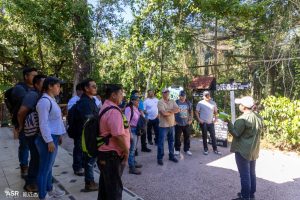 Belize Sugar Industries (BSI), a supplier of sugar to Thames Refinery, recently ran three wildlife training sessions in the latest activity in support of its Northern Sugar Industry Biodiversity Commitment, helping teams work safely while protecting local species.
This commitment also includes protecting 3,100 acres of riparian wetland and publishing sustainable cane farming manuals. Belize is one of Central America’s most biodiverse countries, with wetlands, forests and rivers that are home to many species. Together, these actions help keep farmers and workers safe, support biodiversity, and promote safe coexistence with wildlife.
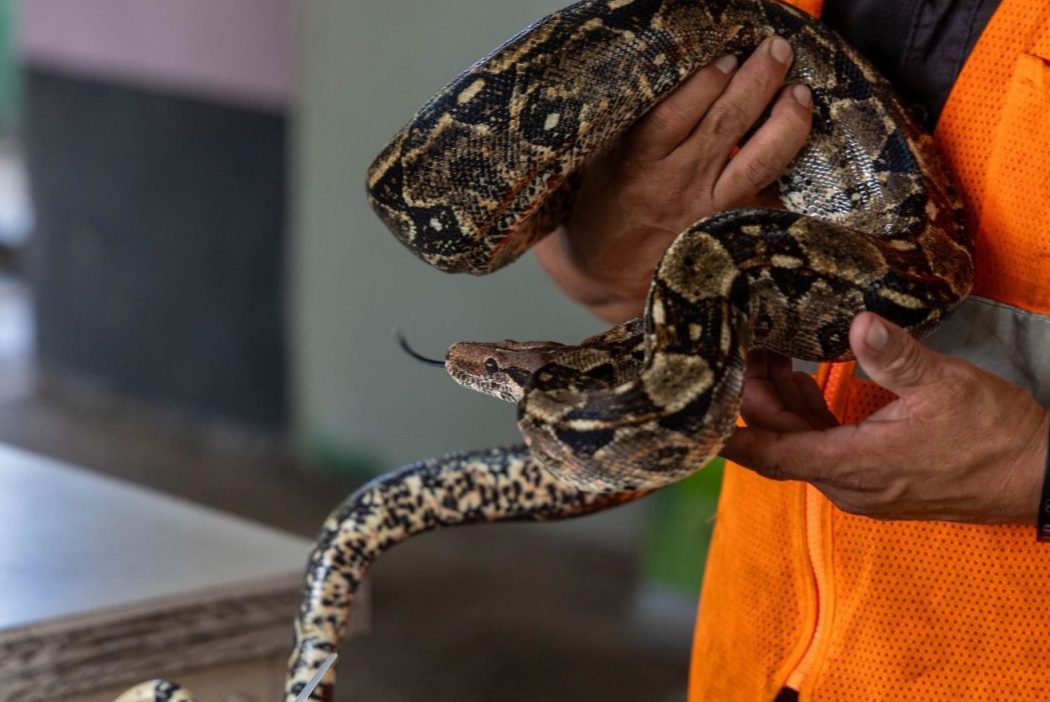
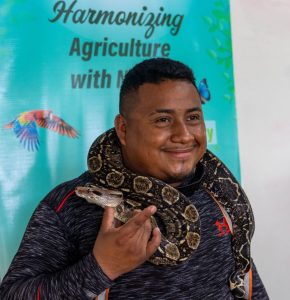 Belize is home to more than 140 snake species. In the north, snakes may be seen more often around wetlands, rivers and sugarcane fields, especially during field preparation or after heavy rain. While most species are harmless, all play an important role in biodiversity and healthy food chains, including helping to control pests such as rodents.
With guidance from The Belize Zoo & Tropical Education Center, the training focused on reducing snakebite risk and avoiding unnecessary harm to snakes. Field teams learned identification basics, avoidance strategies, and clear first‑aid and medical transport protocols, alongside approaches to humane relocation where appropriate.
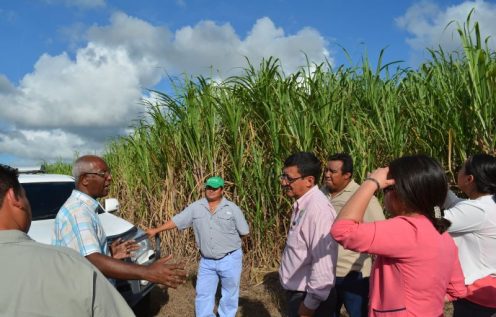
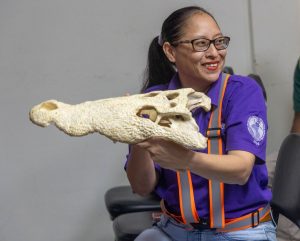 Many sugarcane farms in northern Belize sit alongside rivers, wetlands and floodplains, natural habitats of one of Belize’s primary crocodile species – Morelet’s crocodile. Farmers and crocodiles both rely on healthy waterways, and the condition of these ecosystems supports wildlife as well as crop productivity.
Led by the Crocodile Research Coalition, the session shared practical safety protocols to reduce risky encounters near waterways. Teams learned about crocodile behaviour, nesting seasons and how to spot and manage potential site risks, supporting both workplace safety and conservation.
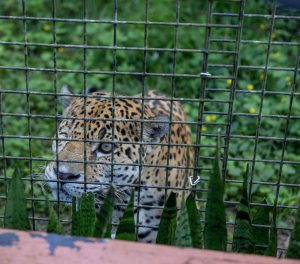 A national symbol and culturally important to Mayan culture, Belize has one of the healthiest populations of jaguars in Central America. Jaguars move through protected areas and natural wildlife corridors, some of which pass near farmland.
The workshop focused on practical ways to reduce the chance of conflict between people and jaguars. Field workers, supervisors, security teams and colleagues who work with cane farmers learned how to recognise signs of jaguar activity and understand seasonal movement patterns. The training also included a visit to the Belize Zoo & Tropical Education Center, home to rescued jaguars relocated after repeated livestock attacks.
Teams also discussed simple, everyday site habits that can help keep people safe and reduce risks for wildlife, such as good lighting, keeping work areas tidy, storing materials securely, and reporting sightings promptly.
Protecting biodiversity begins with understanding the natural world around us and learning how to live and work alongside it.