11/02/2026 News
Apprenticeships: Skills for Life, Careers for the Future
#People & Purpose
11/02/2026 News
This Apprenticeship Week 2026, we’re shining a spotlight on two of our Engineering Managers to explore how they support our engineering apprentices to learn, grow, and build #skillsforlife.
Describe the engineering apprenticeship programme and the apprentices you currently have in your team.
We currently have six apprentices within the Thames Refinery engineering team, all enrolled on the Level 3 Mechatronics Maintenance Technician apprenticeship programme at IPS International. Alongside their classroom learning, they receive on-the-job training supported by coaching and mentoring from our experienced engineering team.
This approach has consistently produced high-performing apprentice graduates. Two of our recent apprentices have now graduated and are fully integrated into the team, where they are performing exceptionally well.
What do apprentices bring to the engineering team and to Tate & Lyle Sugars?
Our apprentices represent the next generation of engineers, making them key to the future of the business. They bring curiosity, enthusiasm, and a willingness to learn, absorbing knowledge from the team and applying it in a challenging, unique, and rewarding environment.
“Supporting apprentices gives our experienced engineers a real sense of pride, and the team is always keen to invest time in motivated individuals.”
Having apprentices in the pipeline also helps us maintain our high engineering standards for the future.
How does the programme help apprentices develop #skillsforlife that will support them throughout their careers?
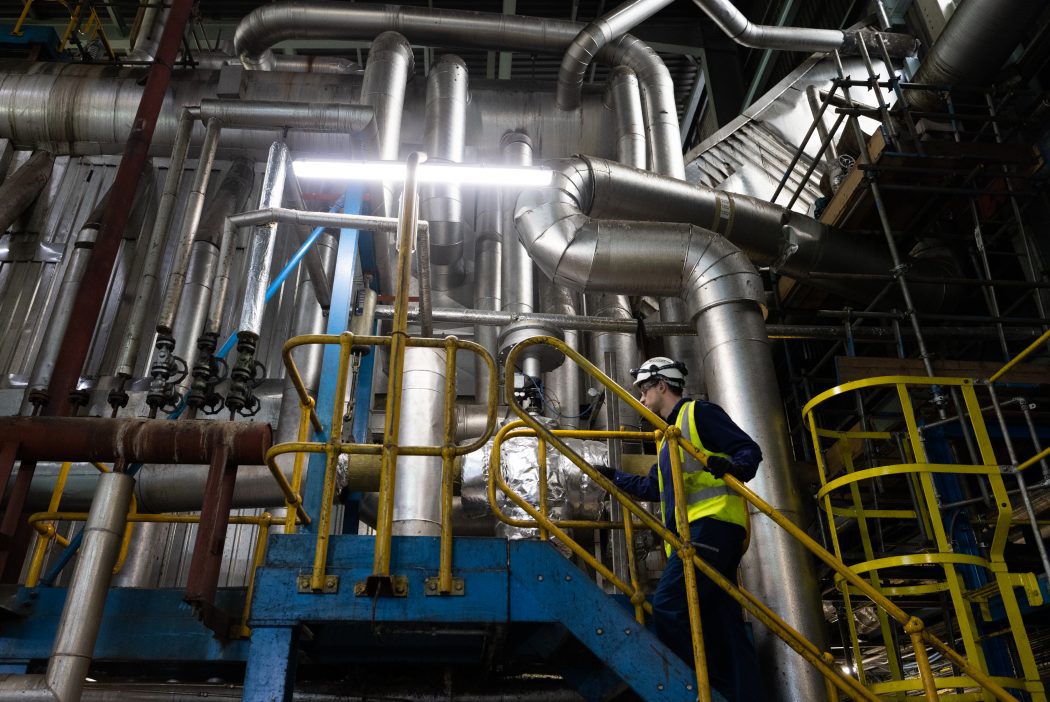
Because of the diverse nature of our site, apprentices gain a breadth of experience across mechanical, electrical, power generation, high‑voltage systems, instrumentation, and control engineering. This gives them a solid technical foundation they can build on throughout their careers.
They also work closely with a large and varied team, helping them develop strong teamwork, communication, and interpersonal skills. They learn how to adapt their communication style to different people and situations, which is an essential life skill in any workplace.
What has surprised you most about working with our engineering apprentices?
I’ve been most surprised by how quickly they can thrive when they’re in the right environment. Their ability to transition from school into a demanding industrial setting is impressive, and they often adapt far more quickly than expected.
Describe the apprentices you currently have in your team?
I currently have three apprentices in my team. Two are completing the Maintenance and Operations Engineering Technician apprenticeships, and one is working towards the Mechatronics Maintenance Technician apprenticeship. Apprentices spend their first 12 months at college before joining us onsite.
What kind of day‑to‑day support do we give apprentices as they learn and grow in your team?
During the first year, I receive regular reports from the apprentices’ college on their progress, behaviour and attendance, and can contact the apprentices or their tutors for updates.
Once onsite, we rotate apprentices through each department, assigning them a “buddy” or mentor who works with them every day to ensure they work in a safe, supportive and instructive learning environment. I also hold regular catch-ups with the apprentices and receive ongoing feedback from their mentors to stay up to date with their achievements and identify any areas where they may need support.
What qualities make a great engineering apprentice at Tate & Lyle?
Apprentices need to be good listeners, able to understand requests and instructions. They also need to be good communicators, especially when trying to get their opinion across to someone who may not always agree with their findings. Being a team player is essential.
What has surprised you most about working with our engineering apprentices?
I am always surprised by how quickly young apprentices mature once onsite. There comes a point when all the things they have learned start to fall into place and their confidence and ability skyrocket. When this happens it’s great to see, and it also tells us that we have succeeded in training them up to standard.