01/10/2026 Case study
Recyclable film marks the next step in our sugar packaging journey
#Resource Conservation & Circularity
01/10/2026 Case study
Packaging plays an essential role in protecting our products, supporting safe transport and helping reduce food waste. At the same time, we recognise the need to reduce resource use and ensure our packaging is designed for reuse or recycling wherever possible.
This latest packaging development is an important step in our work to design packaging for circularity, while continuing to make sure our products reach customers in the quality and condition they expect.
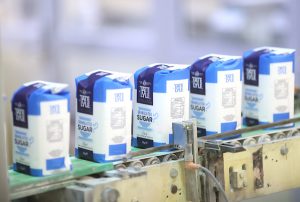 Most of our white sugar is already packaged in paper bags, which are easily recycled at home. Brown sugars contain more moisture than white sugar, meaning they require a packaging solution that keeps the product fresh and prevents hardening or clumping to avoid product waste. Plastic film remains the most practical option, so our focus has been on making that packaging recyclable. Many retail sugar bags have traditionally used mixed-material laminate films. These structures perform well in production and provide reliable product protection, but they are difficult to recycle because the different material layers cannot easily be separated.
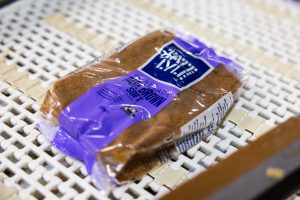 Our new recyclable film moves packs to a polypropylene-based mono-material structure. This makes the packaging better aligned with flexible plastic recycling schemes and supports our wider progress towards recyclable consumer and retail packaging.
The first packs using the new film have now entered production for 500g and 1kg soft brown sugars. Further 500g and 1kg dry sugar packs, including demerara and other products, are expected to follow as the rollout progresses.
We set an ambitious goal to move retail plastic bags into recyclable formats by the end of calendar year 2025, aligned with wider industry direction and the UK Plastics Pact ambition for recyclable plastic packaging. We did not meet that target in full by the original deadline. However, the launch of the first recyclable film packs shortly afterwards represents meaningful progress and reflects the practical work required to turn a sustainability ambition into a robust manufacturing solution.
This was not a simple material swap. The new film had to protect the product, run reliably on existing packing equipment, maintain pack integrity and avoid unnecessary increases in packaging weight.
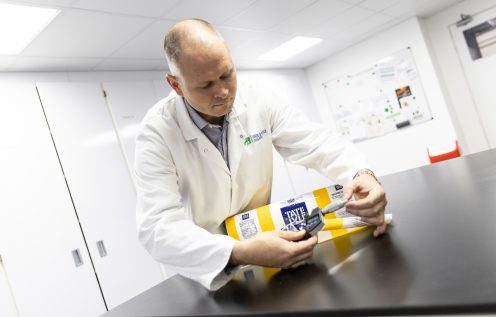
Changing to recyclable film required careful development and production trials. Recyclable films can behave differently during forming and sealing, so the project team had to balance several important requirements, including maintaining packaging strength, ensuring reliable sealing, and running on existing packing lines.
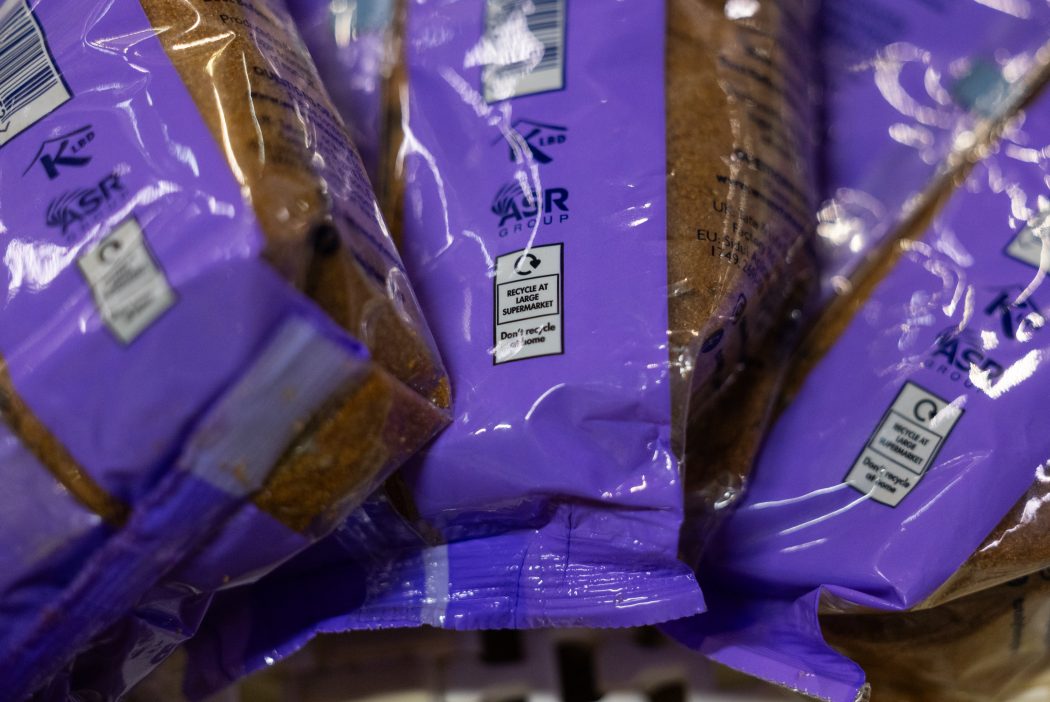
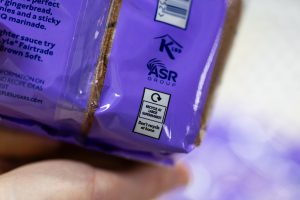 The new packs are designed for today’s flexible plastic recycling route. Look out for the recycling logo on the back of the pack, which shows that the bag can be recycled alongside other plastic films at collection points in many large supermarkets.
Over time, we plan to introduce the new recyclable film across more products, including demerara sugar and other ranges. As household recycling systems develop across the UK, plastic bags like ours are expected to become part of household plastic recycling collections by 2030.
This launch was made possible through collaboration across packaging development, operations, engineering, quality, procurement, suppliers and production teams. The project required material selection, machine trials, pack testing, artwork updates and production learning. It is a good example of practical sustainability improvement: not simply changing a specification, but making sure the solution works in a real manufacturing environment.
Our Packaging Development Manager, Andrew Couling said “It is rewarding to see the first packs entering production after all the work that has gone into developing the solution. This is an important step towards more sustainable packaging that continues to protect our products and use materials responsibly, and it provides a strong foundation for introducing recyclable packaging across more of our sugar portfolio.”
“This is an important step towards more sustainable packaging that continues to protect our products and use materials responsibly”
Andrew Couling, Packaging Development Manager, Tate & Lyle Sugars
The first launch is an important milestone, but it is not the end of the journey. We will continue to apply the learning from this project as recyclable film is rolled out across further suitable retail sugar packs, including additional 500g and 1kg sugar formats. Some larger or more complex pack sizes may require further development, but this launch shows that meaningful progress is possible when packaging design, manufacturing capability and sustainability goals are brought together.
This project reflects the practical work behind sustainable packaging improvement. It required technical development, production trials and cross-functional collaboration to move from ambition to implementation. By transitioning suitable retail sugar bags from mixed-material laminate to recyclable mono-material film, we are taking another step towards packaging that protects our products today and supports a more circular packaging system for the future.